
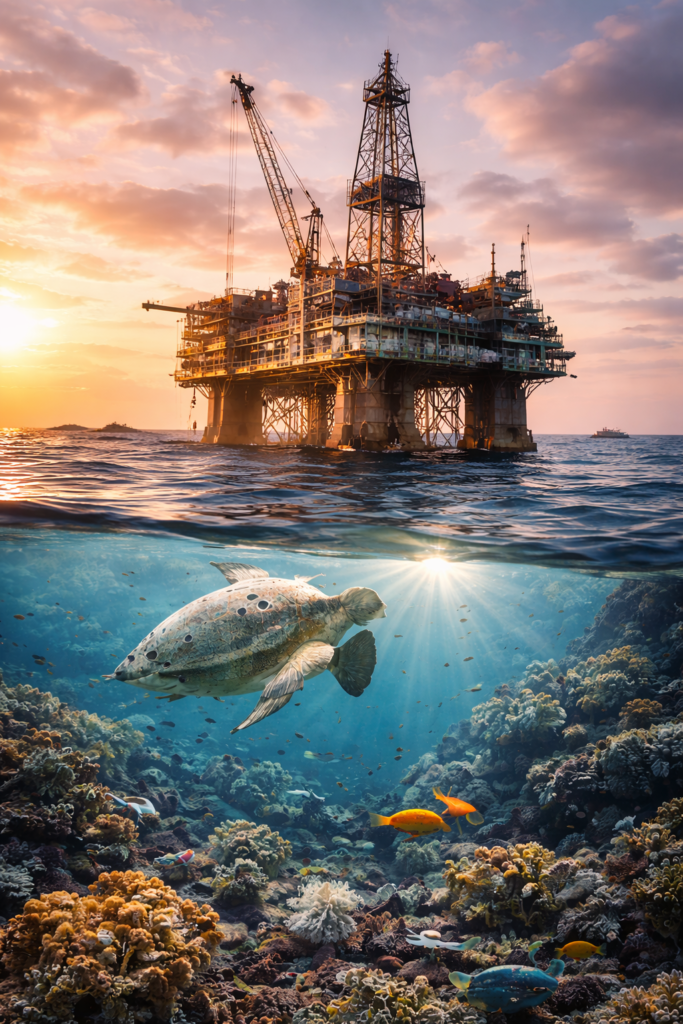
The U.S. government’s recent proposal to expand offshore oil drilling off both the California and Florida coasts represents a major shift in federal energy policy. Advocates argue it will strengthen energy independence, while critics warn it threatens coastal ecosystems and undermines clean energy investments.
This policy reversal comes after several years of restrictive measures imposed during the Obama administration, which aimed to limit fossil fuel extraction in sensitive environmental regions. Proponents of the new plan claim that increasing offshore drilling will help the U.S. meet growing energy demands while creating thousands of new jobs. By opening up these coastal areas, the administration believes it can reduce oil dependency on foreign sources.
However, environmentalists and conservationists are alarmed by the potential long-term damage to marine life and the environment. The coastal waters of California and Florida are home to diverse ecosystems, including endangered species such as sea turtles and whales. The risks associated with offshore drilling include the possibility of oil spills, which can have catastrophic consequences for marine biodiversity and coastal communities.
Furthermore, critics argue that this move goes against global efforts to combat climate change and transition toward renewable energy sources. They warn that prioritizing oil extraction will delay investments in cleaner alternatives, ultimately harming the U.S. economy in the long run.
As the debate intensifies, the outcome of this policy could reshape the U.S. energy landscape for decades to come. Balancing economic interests with environmental protection remains a challenging task for policymakers.