
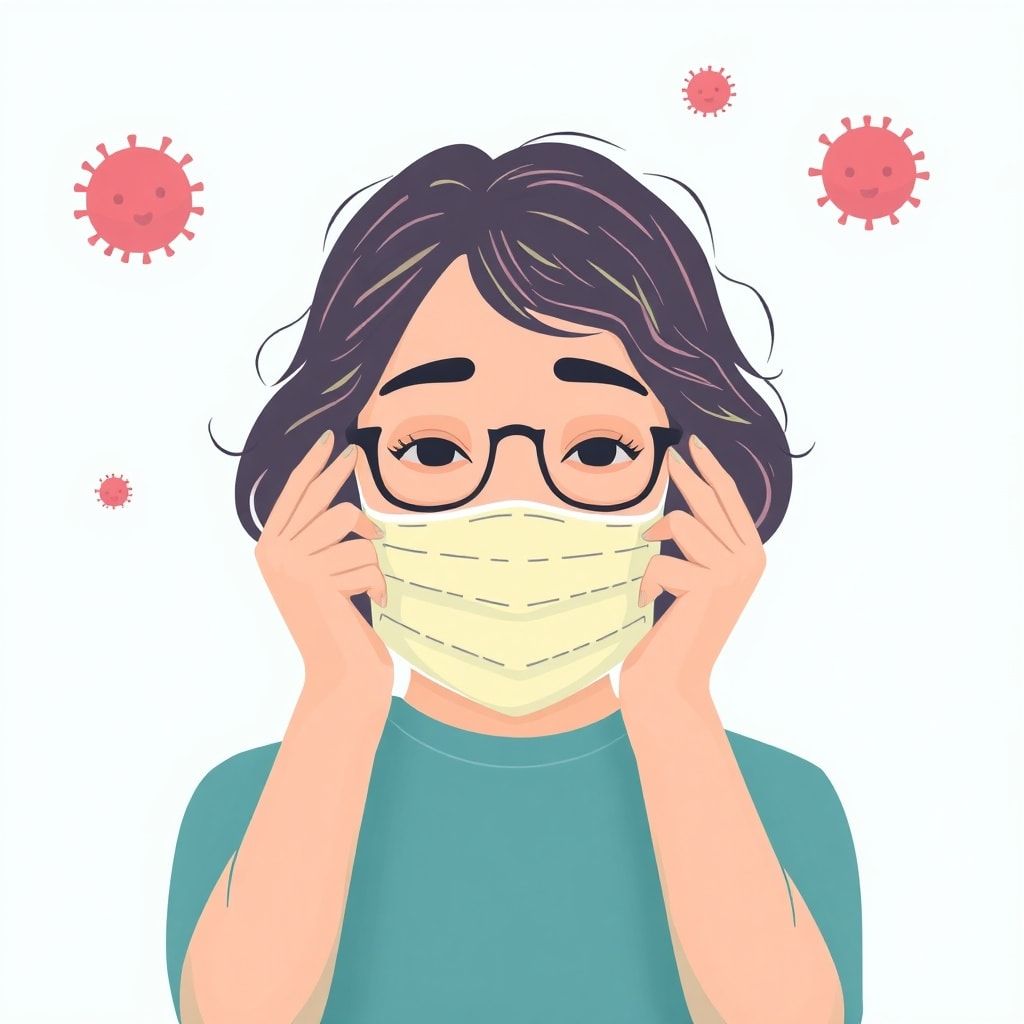
Title: Navigating Mental Health Challenges During Covid19
The Covid19 pandemic has brought about unprecedented challenges that have impacted every aspect of our lives. From physical health concerns to economic uncertainties, the effects of this global crisis are far-reaching. One area that has been particularly affected is mental health. As we navigate through these uncertain times, it is crucial to prioritize our mental well-being and seek support when needed.
Understanding the Impact of Covid19 on Mental Health
The Covid19 pandemic has led to increased levels of stress, anxiety, and depression for many individuals. The fear of contracting the virus, social isolation, financial worries, and uncertainty about the future have all contributed to a rise in mental health issues. According to a recent study, the prevalence of anxiety and depression symptoms has more than tripled during the pandemic.
It is important to recognize the signs of mental health challenges and seek help when needed. Symptoms such as persistent feelings of sadness, hopelessness, irritability, changes in sleep or eating patterns, and difficulty concentrating may indicate a need for professional support. Talking to a therapist or counselor can provide valuable guidance and coping strategies to manage these challenges.
Strategies for Managing Mental Health During Covid19
There are several strategies that can help individuals cope with the mental health challenges brought on by the Covid19 pandemic. Practicing self-care activities such as exercise, meditation, and mindfulness can help reduce stress and improve overall well-being. Maintaining a routine, staying connected with loved ones, and engaging in hobbies or activities that bring joy can also provide a sense of normalcy and support.
It is important to limit exposure to news and social media that may exacerbate feelings of anxiety or distress. Setting boundaries around media consumption and focusing on reliable sources of information can help reduce feelings of overwhelm. Creating a safe and supportive environment at home, establishing a daily routine, and practicing relaxation techniques can also contribute to better mental health outcomes.
Seeking Professional Support
If you are struggling with your mental health during the Covid19 pandemic, it is important to reach out for professional support. Many mental health providers offer telehealth services, making it easier to access therapy and counseling from the comfort of your own home. Online support groups and resources can also provide valuable insights and connections with others who may be experiencing similar challenges.
Remember, it is okay to ask for help and prioritize your mental well-being during these difficult times. Taking care of your mental health is essential for overall health and resilience in the face of adversity. By seeking support, practicing self-care, and staying connected with others, you can navigate through the challenges of Covid19 with strength and resilience.
In conclusion, navigating mental health challenges during Covid19 requires awareness, self-care, and support. By prioritizing your mental well-being, seeking professional help when needed, and implementing healthy coping strategies, you can effectively manage the impact of the pandemic on your mental health. Remember, you are not alone, and there are resources available to support you through these challenging times. Take care of yourself, stay connected, and prioritize your mental health.